
Why Melanin Science?
It's more than pigment. More than skin. More than they told you.
More Than a Pigment, Melanin Is a Science Story
Melanin is not just the pigment that contributes to skin, hair, and eye color; it’s a biological molecule with real functions in the human body. It exists in many organs and systems, including the skin, eyes, brain, and nervous system, and plays roles that connect to how organisms protect themselves, how cells function, and how systems work together.
What Melanin Does, A Deeper Look

Melanin is produced by specialized cells called melanocytes and is found throughout the body, not only in the skin, but also in the eyes, inner ear, and even regions of the brain.
In the skin, melanin serves as a natural shield against ultraviolet (UV) radiation, helping protect cellular DNA from damage.
In the eyes and retina, melanin helps protect sensitive tissues from excess light and supports visual health.
In the brain, specialized forms like neuromelanin are found in nerve cells, where they may bind metals and help neurons manage stress and toxins.
This wide presence and activity make melanin not just a color pigment, but a functional molecule with real biological significance.
Connecting Biology to Identity and Real Science
Most science education presents melanin only in the context of skin color, if at all. But melanin science is about how living systems work: from sensory organs, and cellular chemistry, to brain function and nervous system biology. Understanding melanin helps students:
Build a more accurate understanding of human biology
See science concepts reflected in their own bodies
Connect classroom learning to real systems, not just memorized facts
Develop curiosity and agency in scientific thinking
Purpose Academics uses melanin science as a gateway to teach core biology topics in a way that affirms identity, celebrates diverse experiences, and fosters deeper academic thinking.
Melanin as a Bridge: Systems in Action

Studying melanin opens doors to understanding concepts across systems:
Protection & Interaction: How the body protects itself from environmental stressors
Sensory Biology: How organs like eyes and ears manage information
Neural Function: Roles of pigments like neuromelanin in brain chemistry
Interconnected Systems: How organs and tissues collaborate for life processes
In other words, melanin science helps students see systems thinking in action, a foundational skill in advanced STEM learning.
How We Teach Melanin Science
At Purpose Academics, melanin science isn’t an occasional topic, it’s a core framework. In courses like Melanin Matters students:
Discover where melanin is found in the body
Explore how and why it functions biologically
Engage in hands-on learning and inquiry
Connect scientific ideas to lived experience
Build vocabulary that supports deeper biology understanding
Go beyond the body to learn melanin's role in all biological kingdoms.
This approach builds confidence, competence, and curiosity.
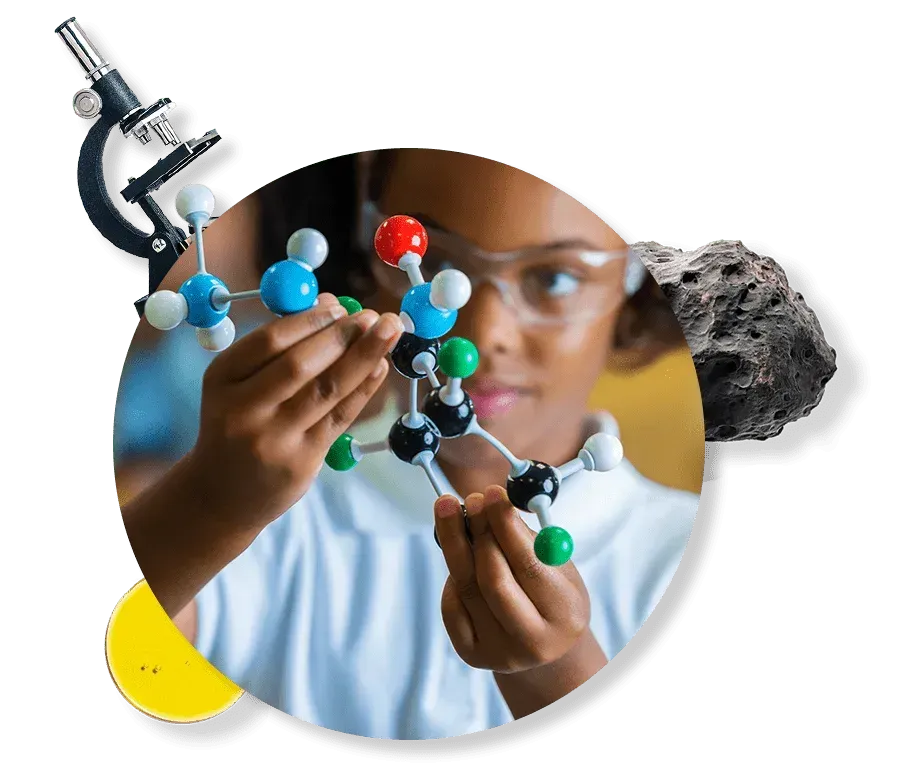
What Students Do With This Knowledge
Through melanin science, students explore:
Organ systems and structure
Sensory system biology
Cellular processes
Protective and adaptive functions
Biological interaction and homeostasis
These topics align with school science standards and expand students’ ability to think across disciplines, a hallmark of strong STEM learners.
Ready to see how melanin science transforms learning?

MENU
CONTACT US
© Copyright 2026. Purpose Academics. All Rights Reserved.
